
When it comes to grills, the debate between charcoal and propane is as heated as the flames themselves. Backyard pitmasters, weekend warriors, and seasoned grill veterans all have their preferences, but which one truly reigns supreme? The answer isn’t as simple as one being “better” than the other, it depends on what you value most in your grilling experience.
Both charcoal and propane grills offer unique strengths and drawbacks, from flavor intensity to convenience and cost-effectiveness. Whether you’re looking for that classic smoky taste or a quick and easy way to fire up some burgers, understanding what each grill brings to the table will help you make the best choice for your next cookout.
We’ll be going over exactly what the strengths and weaknesses are for both Charcoal and Propane grills. Understanding your enemy is half the battle, so we will be covering some various food examples as well to help you understand, based on preference, what grill is the best for you! And who knows, maybe even the Hybrid Best of Both Worlds Special is for you!
The Charcoal Grill – Flavor King with a Learning Curve

Charcoal grills are the gold standard for smoky, seared perfection. If you’re after that deep, rich, fire-kissed flavor, you can never go wrong with the classic raw potential of the charcoal grill. The high, radiant heat from the coals ensures a beautiful crust on steaks and a signature smokiness that gas grills simply can’t replicate.
Why Charcoal Grills Shine
✔ Superior Flavor – Charcoal infuses food with smoky depth, especially when combined with wood chips.
✔ Higher Heat – These grills can reach higher temperatures (up to 700°F) for a better sear.
✔ Versatility – You can set up different heat zones for direct and indirect cooking (great for slow-smoking meats).
✔ Portability – Many charcoal grills are lightweight and affordable, making them great for tailgating or camping.
The Downsides of Charcoal Grills
✖ Takes Time to Get Started – Charcoal needs 15-30 minutes to heat up, making it less ideal for quick meals.
✖ More Mess, More Cleanup – Ash and charcoal dust can get messy and require regular cleaning.
✖ Temperature Control is Tricky – Controlling the heat requires adjusting airflow and coal placement, which has a learning curve.
If you love the art of grilling, don’t mind a bit of patience, and want the best flavor payoff, charcoal grilling is the way to go. However, if you prefer speed and convenience, propane might be more your style.
The Propane Grills – Quick, Easy, and Reliable
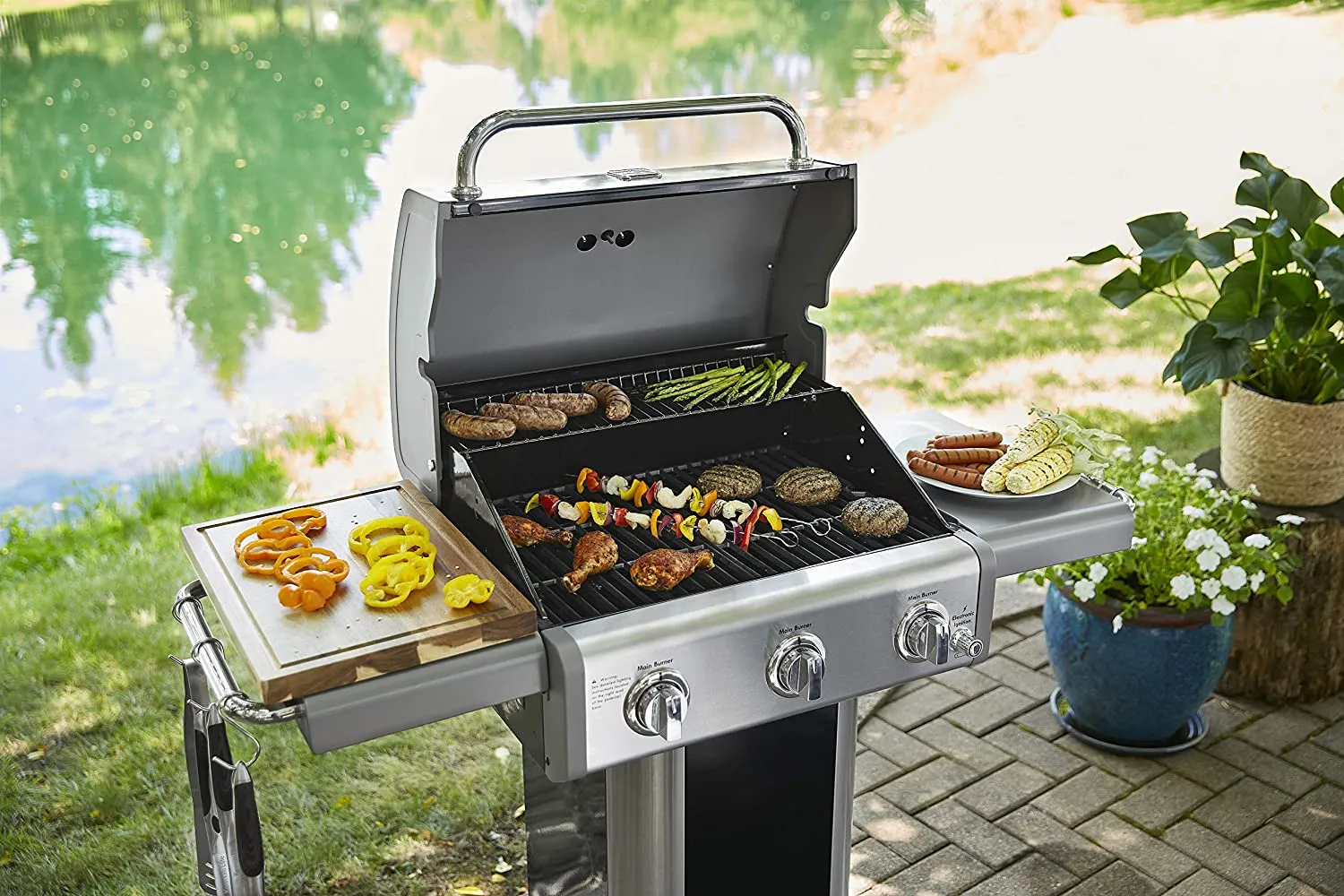
For those who prioritize convenience over complexity, propane grills are the go-to choice. With the turn of a knob, you get instant heat and consistent temperature control, something charcoal can’t always promise.
What Propane Grills Do Best
✔ Speed & Efficiency – Propane grills heat up in under 10 minutes, perfect for fast weeknight meals.
✔ Easy Temperature Control – Unlike charcoal, you can simply adjust the burner knobs for precise heat control.
✔ Minimal Mess – No charcoal dust or ash to deal with—just wipe down the grates and you’re done.
✔ Great for Beginners – If you’re new to grilling, propane offers a more forgiving and predictable experience.
Where Propane Grills Falls Short
✖ Lacks Smoky Flavor – While propane grills cook food well, they don’t infuse that charcoal-smoked depth into meats.
✖ Lower Max Temperature – Propane grills typically max out around 500-600°F, meaning less effective searing.
✖ Less Portable – While propane grills come in various sizes, they require a fuel tank, making them less convenient for travel.
For the busy grill master who values convenience, control, and a quick setup, propane grilling is the undisputed champ. But if you’re chasing unbeatable flavor, propane might leave you wanting more.
The Head-to-Head Breakdown
| Feature | Charcoal Grill | Propane Grill |
| Flavor | Smoky, rich, deep-charred taste | Clean, but lacks deep smokiness |
| Heat Level | Higher max temp (up to 700°F+) | Moderate max temp (500-600°F) |
| Ease of Use | Requires more skill, manual airflow control | Turn a knob, instant heat |
| Startup Time | 15-30 minutes to heat up | Ready in under 10 minutes |
| Cleanup | Messier (ash, coal dust, grease) | Minimal cleanup, easy maintenance |
| Portability | Lightweight options, no fuel tank needed | Heavier due to propane tank |
| Versatility | Great for low-and-slow smoking & searing | Consistent and precise heat control |
| Price | Lower upfront cost, but coal expenses add up | Higher upfront cost, but propane lasts longer |
Which Grills Should You Choose?
At the end of the day, choosing between charcoal and propane comes down to what you want from your grilling experience.
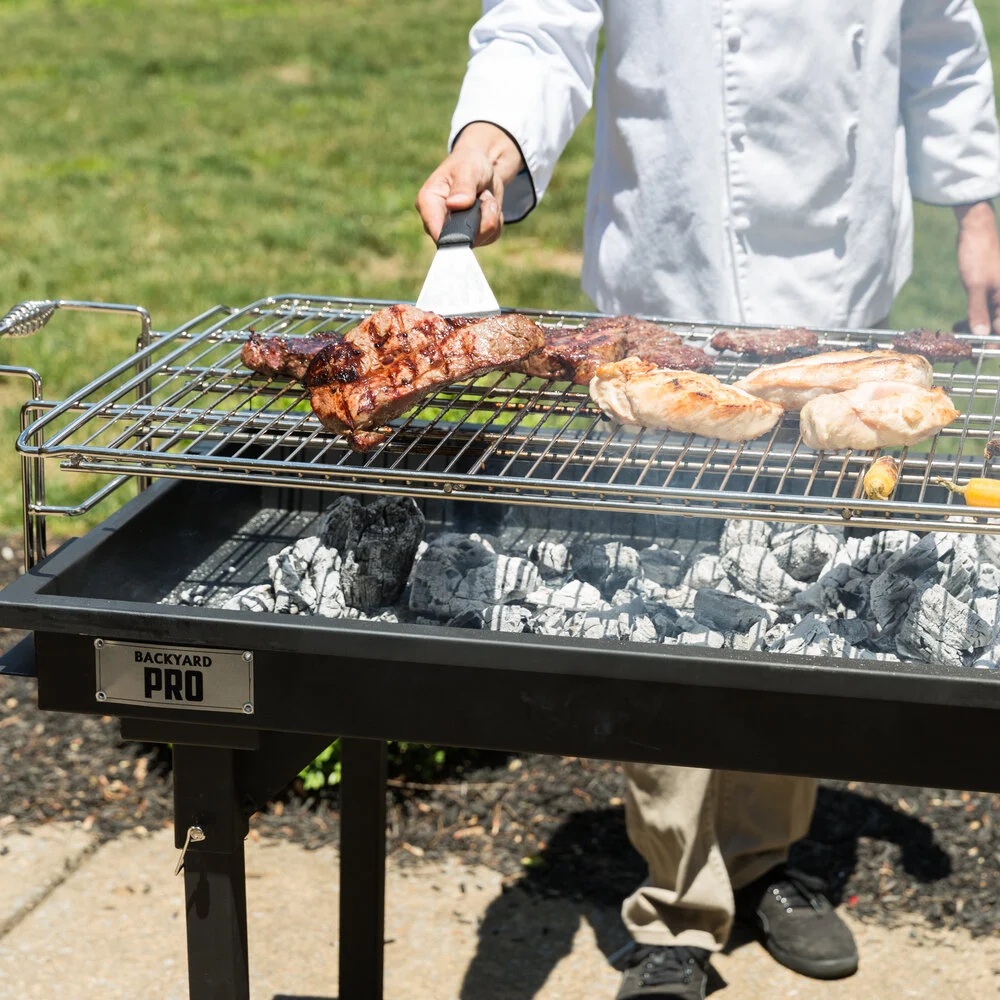
- Go for charcoal if you want:
- Bold, smoky flavor that enhances your BBQ
- High-temperature cooking for an unbeatable sear
- The ability to experiment with wood chips for different flavors
- A more traditional, hands-on grilling experience
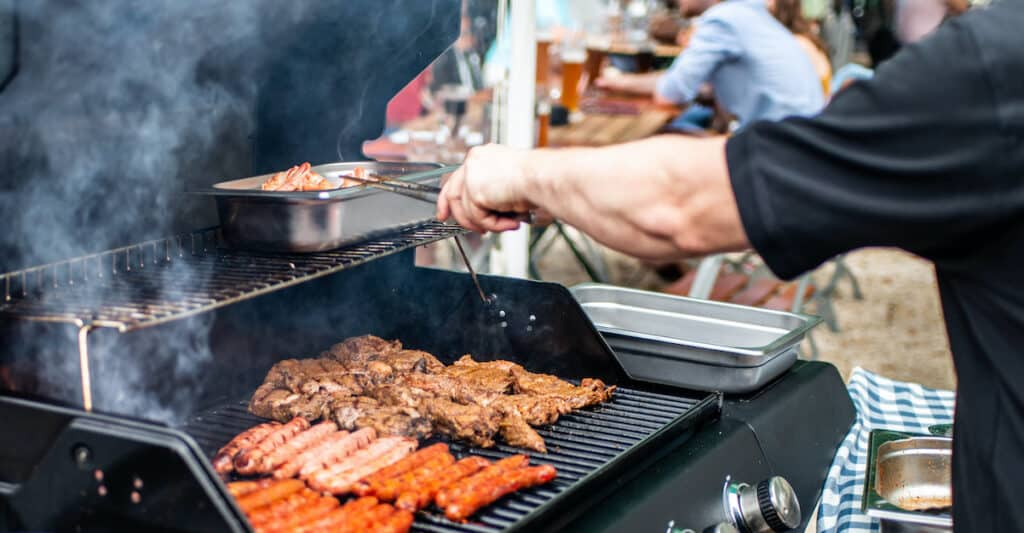
- Choose propane if you prefer:
- Speed and convenience for easy grilling
- Consistent, even heat with precise control
- Minimal mess and quick cleanup
- An easy learning curve for beginners
The Charcoal Grill is a must have for those who consider themselves purists in the BBQ Arena. For busy home cooks and practical grillers, typically propane wins. But if you truly want the best of both worlds. Hybrid Grill is the way to go with great fuel efficiency and maximum flavor that can be flipped on a dime for whatever your cooking needs may be.
So next time you fire up the grill, ask yourself: You want it quick and easy? Or are you looking to pack a flavourful punch? Whatever you choose, one thing’s for sure. Nothing beats a great meal cooked over an open flame.