

Grilling isn’t just about fire and meat, it’s a science, and for many, a passionate lifestyle. While traditional charcoal and propane grills have a longstanding history of dominating the outdoor grilling scene, ceramic grills have been making waves for their unmatched heat retention, versatility, and durability. But what makes ceramic grills so special, and are they worth the rather extensive pricing options? Lets find out!
Whether you’re new to the grilling scene or you’ve been a veteran for years, understanding the strengths, weaknesses, and types of ceramic grills will help you decide if this illustrious piece of grilling culture is fit for you and your household.
What Are Ceramic Grills?
Ceramic grills, often referred to as the kamado grill3, are inspired by ancient clay cooking vessels used in China and Japan over 3,000 years ago. Unlike your typical metal grills, ceramic grills use thick ceramic walls to retain and evenly distribute heat, making them incredibly efficient for smoking, grilling, roasting, and even baking. Who would have thought the ceramic grill would use ceramic?
These grills are known for their comical egg-shaped design, superior insulation, and ability to maintain steady temperatures for long periods. Making them a favorite among BBQ enthusiasts who crave precision and slow-cooked perfection.
Types of Ceramic Grills

There are a few main types of ceramic grills on the market, each catering to different cooking styles and needs.
Kamado Grills – The All-Rounder
The puns aside, the Kamado-style grills are the most popular and versatile type of ceramic grill. They come in an abundance of sizes, from compact models for small patios to massive grills for the veteran grillmaster. These are charcoal-fueled, offering an authentic smoky flavor with precise temperature control.
Best for: Slow-smoking meats, baking pizza, roasting, grilling
Price Range: $300 – $2,500+ (depending on brand and size)
Ceramic Pellet Grills – The High-Tech Smoker
These grills combine ceramic insulation with wood pellet fuel, giving you the ease of automatic temperature control with the flavor of real wood smoke. They are a great choice if you want set-it-and-forget-it convenience without sacrificing taste.
Best for: Smoking meats, precise low-and-slow cooking
Price Range: $800 – $3,000
Ceramic Charcoal Grills – Classic with a Modern Twist
These grills operate like traditional charcoal grills, but with the heat efficiency and moisture retention of ceramic. If you love the hands-on experience of charcoal grilling but want better temperature stability, this is a solid choice.
Best for: Grilling and searing at high heat
Price Range: $400 – $2,000
The Strengths of Ceramic Grills
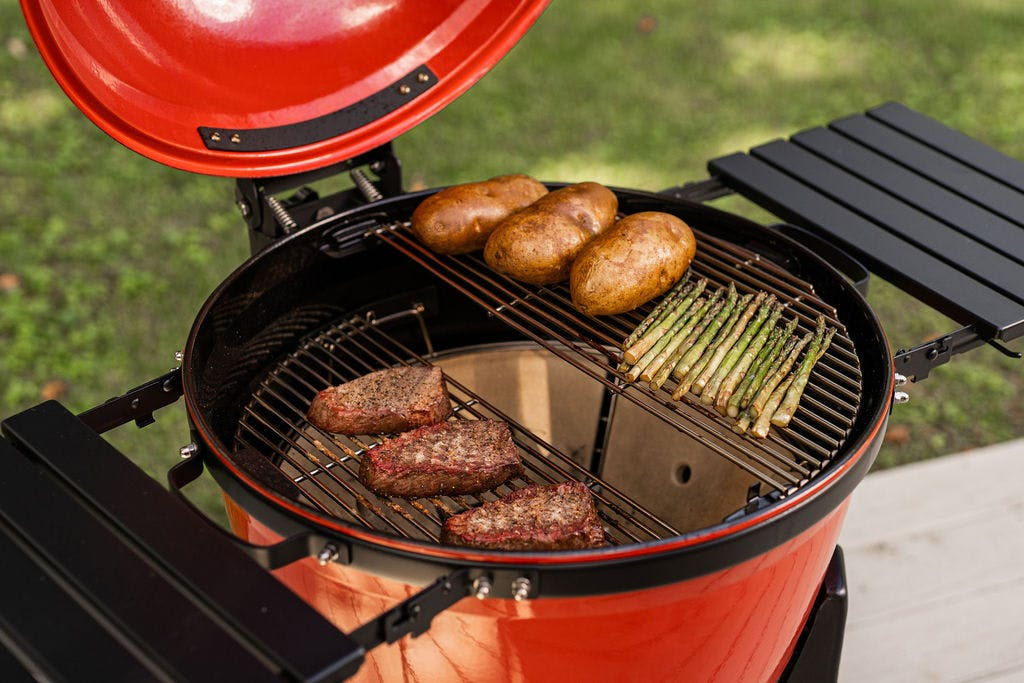
Why are ceramic grills gaining such a cult following? Here’s what sets them apart:
Unmatched Heat Retention – Thanks to their thick ceramic walls, these grills hold heat for hours, reducing the need for frequent fuel refills.
Precise Temperature Control – The adjustable vents allow for fine-tuned control, making it easy to switch between low-and-slow smoking and high-heat searing.
Multi-Function Cooking – Unlike traditional grills, ceramic grills can grill, smoke, roast, and even bake—yes, you can make wood-fired pizza and fresh bread on them.
Moisture Retention – The ceramic material helps trap moisture, preventing food from drying out, which is a common issue with metal grills.
Fuel Efficiency – Because ceramic grills hold heat so well, they use less charcoal or pellets than traditional metal grills, making them more cost-effective in the long run.
All-Weather Durability – Rain, snow, or intense heat—ceramic grills hold steady in any weather condition, unlike metal grills that lose heat quickly.
The Weaknesses of Ceramic Grills
While ceramic grills offer exceptional performance, they aren’t perfect. Here are some downsides to consider:
Expensive Upfront Cost – Ceramic grills can be two to three times more expensive than traditional charcoal or gas grills.
Heavy and Fragile – These grills are extremely durable but also very heavy. Once set up, they’re hard to move, and if dropped, they can crack.
Longer Heat-Up Time – While propane grills heat up in minutes, ceramic grills can take 15-30 minutes to reach high temperatures.
Requires More Maintenance – Because of ceramic’s delicate nature, these grills require special cleaning techniques and shouldn’t be exposed to sudden temperature changes.
Is a Ceramic Grill Worth the Investment?
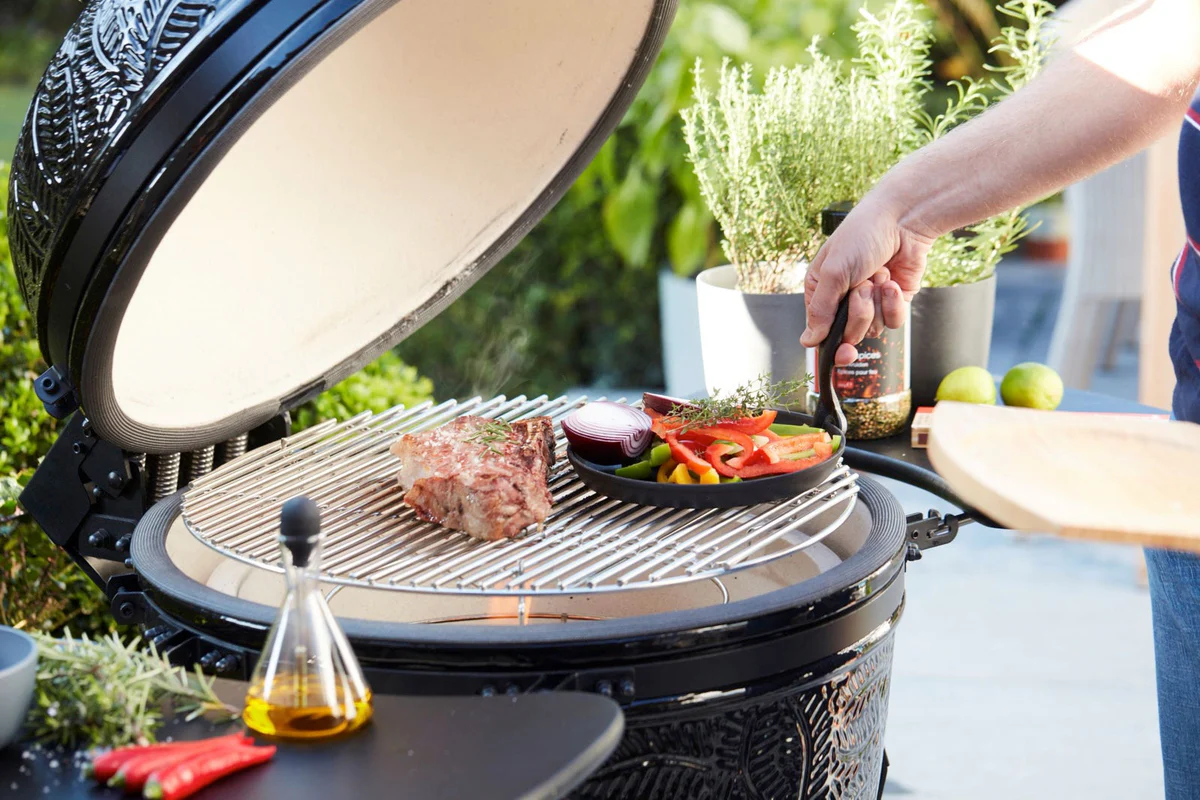
If you’re looking for a grill that offers precision, versatility, and long-term durability, a ceramic grill is a fantastic investment. While the upfront cost is higher, the flavor, efficiency, and cooking flexibility make it a must-have for serious grillers.
But is it for you?
- If you love smoking meats, slow-cooking, and experimenting with different cooking techniques, yes, a ceramic grill is a game-changer.
- If you prefer quick weeknight grilling and convenience, no. A gas or pellet grill might suit you better.
Final Thoughts
Ceramic grills aren’t just grills. They’re high-performance cooking tools built for those who take BBQ seriously. They might not be for the average grill enjoyer, but a ceramic grill is worth every penny if you’re looking for exceptional flavor, superior heat retention, and multi-function versatility. It’s an all-rounder wonder-tool to be used for those special superbowl grill days or just a nice family function with the in-laws. Lord knows they’ll take a shine to your historically intrinsic cookware.
So, if you’re ready to upgrade your backyard BBQ and experience grilling on a whole new level, maybe it’s time to give ceramic grills a shot. Who knows, you may just find yourself outside in the backyard more often than your kids! Guarantee you won’t regret it, just make sure you’ve got a strong back for when it arrives.